RACGP Diabetes Guidelines 2026: What’s Changing for GPs
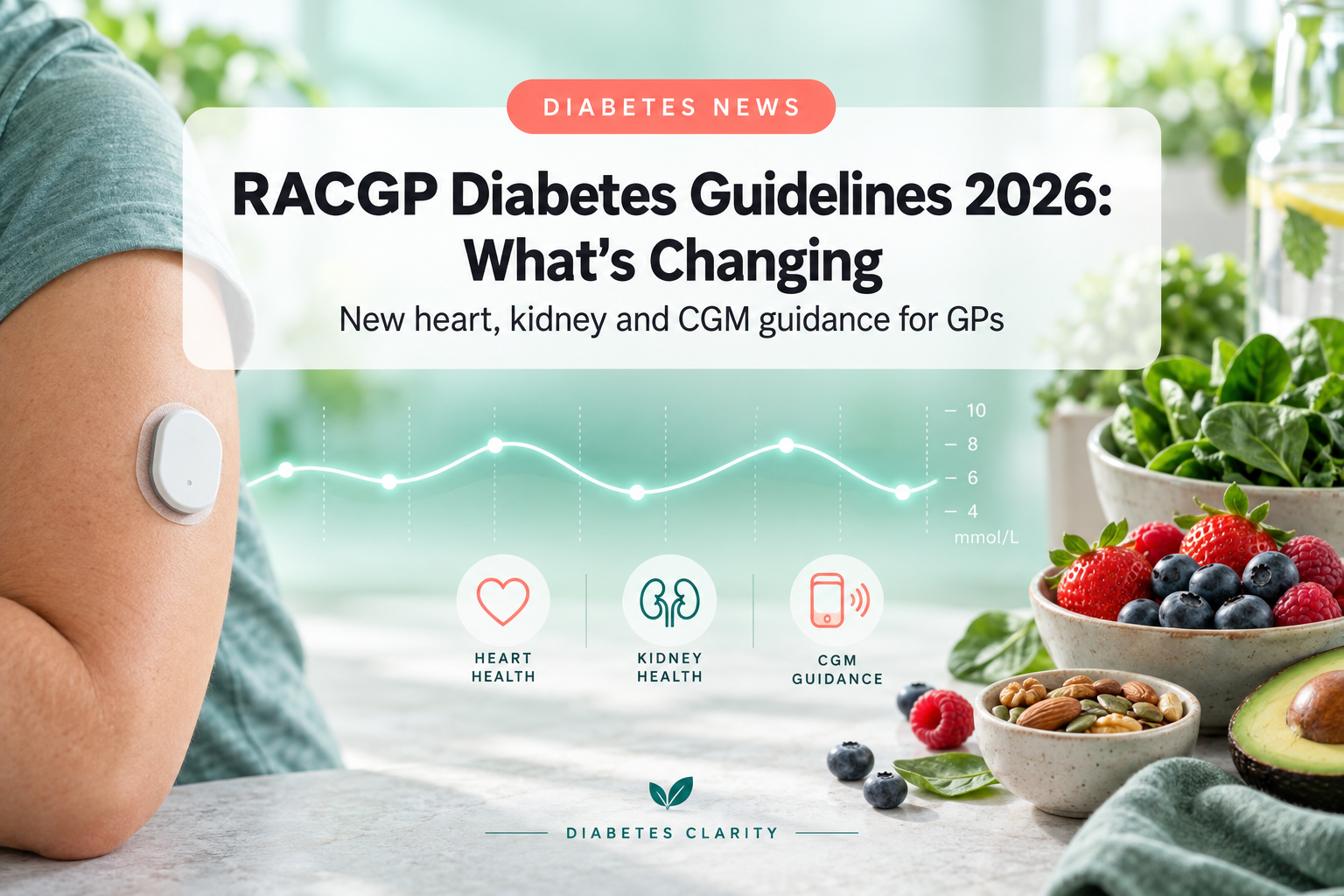
Australian GPs are working from updated diabetes guidance in 2026 that shifts the focus from “just lowering blood glucose” to protecting the heart and kidneys earlier, considering continuous glucose monitoring (CGM) — a small sensor worn on the skin that tracks glucose levels throughout the day and night — for more people with type 2 diabetes, and giving clearer direction on managing type 2 diabetes in children and teenagers. If you or someone you love sees a GP for diabetes care, these changes may come up at your next appointment.
The short version
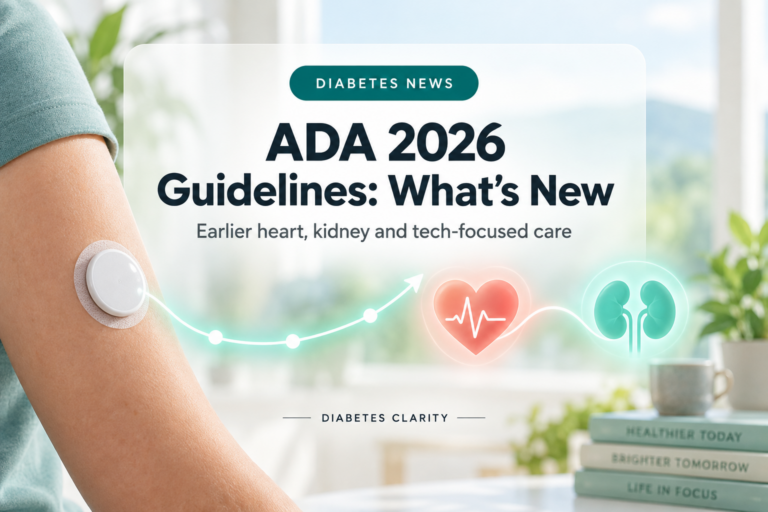
- GPs are being encouraged to start SGLT2 inhibitors and GLP-1 receptor agonists (medicine classes that protect the heart and kidneys, not just glucose levels) earlier for people at higher cardiovascular or kidney risk.
- A 2026 consensus guideline for children and teenagers with type 2 diabetes recommends earlier screening and considering a GLP-1 medicine sooner if metformin alone isn’t enough.
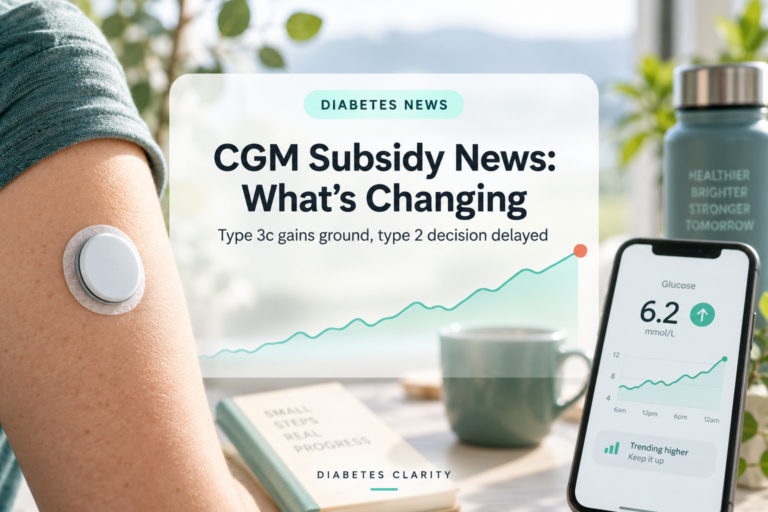
- CGM is being discussed more often for people with type 2 diabetes, especially those on insulin — but in Australia, subsidised CGM through the National Diabetes Services Scheme (NDSS) still mainly applies to type 1 diabetes.
- Tirzepatide (brand name Mounjaro) is approved by the Therapeutic Goods Administration (TGA) for type 2 diabetes and weight management, but as of late October 2026 it is not listed on the Pharmaceutical Benefits Scheme (PBS), meaning it isn’t subsidised.
Earlier use of heart- and kidney-protecting medicines
For years, diabetes treatment mostly chased a lower HbA1c — a blood test showing average blood glucose over roughly three months. The direction GPs are now following, reflected in the RACGP and Diabetes Australia handbook for general practice, puts more weight on a person’s overall cardiovascular and kidney risk from the start.
In practice, this means metformin plus an SGLT2 inhibitor is commonly considered first for people with type 2 diabetes who also have heart disease, multiple heart risk factors, or kidney disease. If targets still aren’t met, or these medicines aren’t suitable, a long-acting GLP-1 receptor agonist with known heart benefits is the next step being recommended. According to guidance referenced by Australian GP education bodies, this reflects evidence that these medicine classes do more than lower glucose — they reduce the risk of heart attack, stroke and kidney decline in many people with type 2 diabetes.
Risk assessment itself is also starting earlier: people with diabetes are generally recommended for cardiovascular risk checks from around age 35, and from age 30 for Aboriginal and Torres Strait Islander people, reflecting higher population-level risk.
CGM for type 2 diabetes: more conversation, same cost barrier
CGM has transformed care for many people with type 1 diabetes. Updated guidance now supports GPs considering CGM for some people with type 2 diabetes too — particularly those using insulin, those who have trouble with hypoglycaemia (low blood glucose) or hypo-unawareness, and those who might benefit from seeing, in real time, how food, activity and medicines affect their glucose.
It’s important to be clear about access, though. According to the NDSS, subsidised CGM sensors are still mainly available to people with type 1 diabetes (and some younger people or those planning or experiencing pregnancy). Most people with type 2 diabetes currently need to purchase CGM privately, even if their doctor thinks it could help. This is a real cost barrier worth discussing with your healthcare team, who can help you weigh the benefits against the expense.
A new focus on children and teenagers with type 2 diabetes
Type 2 diabetes in children and adolescents is becoming more common in Australia and New Zealand, and a new consensus guideline released in 2026 addresses this directly. It recommends targeted screening for young people who have overweight or obesity plus other risk factors — such as a family history of diabetes, diabetes during their mother’s pregnancy, or signs of insulin resistance.
Once diagnosed, the guideline recommends checking early for complications affecting the eyes, kidneys, nerves, heart and mental wellbeing — because type 2 diabetes in young people can progress faster than in adults. Metformin remains the usual first medicine, but a GLP-1 receptor agonist is now preferred as the next step if metformin alone doesn’t bring glucose levels into target range, reflecting both effectiveness and the weight-related benefits many young people need.
What we still don’t know
Guidelines evolve as evidence builds, and some areas remain unsettled. Long-term CGM benefits specifically in type 2 diabetes not treated with insulin are still being studied, and most trials have been relatively short. The exact criteria an individual GP will use to decide who gets offered CGM, an SGLT2 inhibitor or a GLP-1 medicine can also vary, since Australian PBS rules sometimes differ from what a medicine is approved to treat. This is why personalised advice from your own healthcare team matters so much.
What this means for you
- If you have type 2 diabetes with heart or kidney risk factors, ask your GP whether an SGLT2 inhibitor or GLP-1 medicine might be appropriate for you, not just for glucose control but for heart and kidney protection.
- If you’re a parent of a child or teenager recently diagnosed with type 2 diabetes, ask about complication screening and treatment options beyond metformin.
- If you use insulin and are curious about CGM, ask your credentialled diabetes educator or GP about suitability, likely benefits, and the real cost, since NDSS subsidies may not apply.
- Never start, stop or change a diabetes medicine without talking to your GP, endocrinologist or diabetes educator first.
These updates show how Australian diabetes care keeps evolving with the evidence. For more practical support, explore Diabetes Clarity’s guides on daily meal planning, low-GI recipes and understanding your medicines.
📖 Sources:
• RACGP / Diabetes Australia – Management of type 2 diabetes handbook for general practice, guidance on SGLT2 inhibitors and GLP-1 therapy sequencing – 2026
• Australian and Aotearoa New Zealand consensus guideline – screening, metformin and GLP-1 use in youth-onset type 2 diabetes – 2026
• NDSS (National Diabetes Services Scheme) – continuous glucose monitoring subsidy eligibility criteria – 2026
• TGA / PBS status reporting – Mounjaro (tirzepatide) registration and non-PBS-listing update – October 2026