New 2026 Guidelines Reshape Diabetes Care for Older Adults
If you’re an older Australian living with diabetes, or you care for someone who is, there’s good news from the world’s leading diabetes organisations. A major update released in 2026 by the American Diabetes Association (ADA) and the European Association for the Study of Diabetes (EASD) is pushing for a more personalised, less rigid approach to diabetes care — one that looks at the whole person, not just a blood glucose number.
The short version
- New 2026 consensus guidance from the ADA and EASD moves away from “one-size-fits-all” glucose targets, especially for older adults.
- Treatment should be based on a person’s overall health, frailty, memory, and what matters most to them — not age alone.
- Avoiding hypoglycaemia (dangerously low blood glucose) is now a top priority, alongside protecting the heart and kidneys.
- In Australia, continuous glucose monitors (CGMs) are becoming more accessible, with the newer FreeStyle Libre 3 Plus now listed under the National Diabetes Services Scheme (NDSS) subsidy.
What’s new in 2026
The updated consensus report, released by the ADA and EASD this year, represents a shift from focusing mainly on HbA1c (a blood test showing average blood glucose over about three months) towards what experts call “whole-person care.” This means taking into account heart disease, kidney health, mental wellbeing, mobility, and quality of life alongside blood glucose control.
For older adults, this is a meaningful change. According to the updated guidance, glucose targets should be individualised based on frailty (reduced physical reserve and resilience), cognitive function, life expectancy, risk of hypoglycaemia, and what the person themselves wants from their care — rather than applying the same tight targets used for younger, healthier people.
What the evidence shows
The research behind this update highlights several key points for older adults with diabetes:
- Tight glucose control isn’t always the safest goal. For someone who is frail, has memory problems, or lives with multiple health conditions, chasing very low HbA1c numbers can increase the risk of hypoglycaemia, falls, and hospital admissions.
- Deprescribing (carefully reducing or stopping medicines when the risks start to outweigh the benefits) is being recommended more often for older people on insulin or sulfonylureas, a class of tablets that can cause low blood glucose.
- Heart and kidney protection still matters. Medicines such as SGLT2 inhibitors and GLP-1 receptor agonists shouldn’t be withheld purely because someone is older — but they do need closer monitoring for side effects like dehydration, infections, or unwanted weight loss in frail older people.
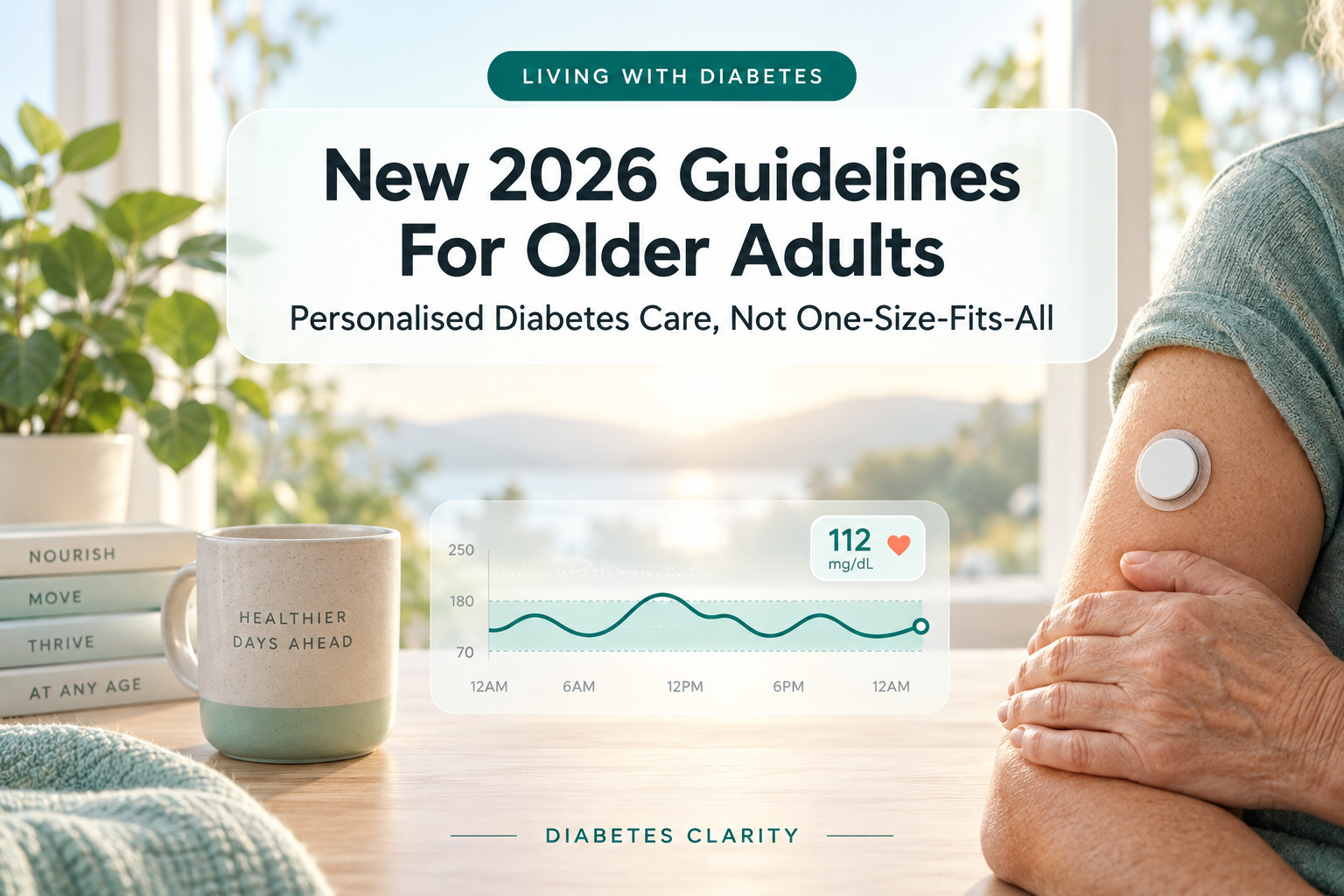
- Technology can help. CGMs are being used more to spot hidden low glucose episodes that older people — especially those with memory issues — might not notice or report.
It’s important to note this is a consensus of expert opinion built on a large body of research, rather than one single new study. The underlying science continues to evolve, and recommendations will keep being refined.
Who this affects
This guidance is most relevant to older adults with type 2 diabetes, particularly those who are frail, living with dementia, managing several medical conditions, or taking multiple medicines (known as polypharmacy). It also applies to older adults with longstanding type 1 diabetes, where hypoglycaemia awareness can change with age.
Families and carers play a big role too. The updated approach encourages involving carers and aged-care teams in decisions about medicine simplification, monitoring, and recognising warning signs of low blood glucose.
Availability and cost in Australia
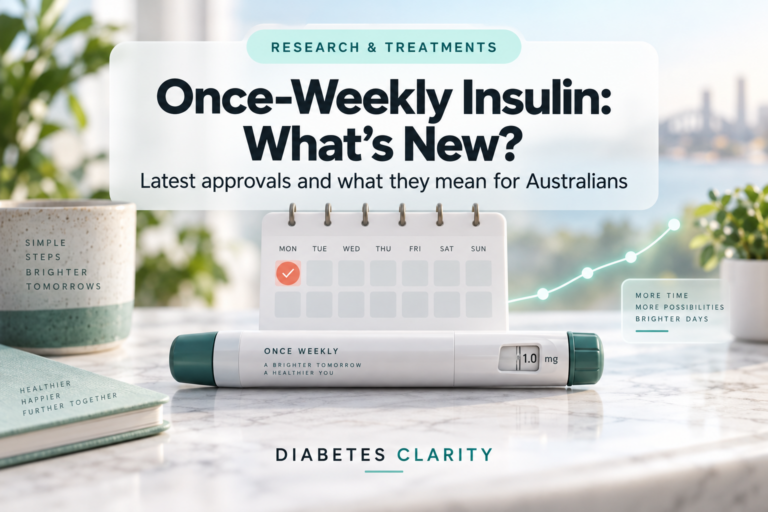
In Australia, CGM access is managed through the NDSS, not Medicare. According to Diabetes Australia, the newer FreeStyle Libre 3 Plus sensor is now available through the NDSS subsidy scheme, offering continuous readings and longer wear time.
Subsidised CGM is mainly available to people with type 1 diabetes who meet NDSS criteria, with cheaper or free access for concession card holders. Most older adults with type 2 diabetes are not yet eligible for subsidised CGM and may need to pay privately — so it’s worth checking your specific eligibility with your credentialled diabetes educator or NDSS.
What we still don’t know
This is still a fast-moving area. Questions that remain include exactly how much glucose targets should be relaxed for different levels of frailty, how best to support people with cognitive impairment to safely use technology like CGM, and whether CGM access will expand further for older Australians with type 2 diabetes. Real-world, Australian-specific data on how these new international guidelines translate into local aged-care practice is still emerging.
What this means for you
You don’t need to make any changes on your own — but this is a great time to start a conversation with your healthcare team. Consider asking:
- “Is my current blood glucose target still right for me, given my overall health?”
- “Are any of my medicines putting me at higher risk of low blood glucose or falls?”
- “Would a continuous glucose monitor help me, and am I eligible through the NDSS?”
- “Who should be involved in my diabetes care plan — family, carers, or aged-care staff?”
Never stop or change a diabetes medicine, including insulin or sulfonylureas, without talking to your GP, endocrinologist, or credentialled diabetes educator first. These decisions need careful, individual assessment.
A final word
Diabetes care for older adults is moving towards being kinder, more flexible, and more focused on quality of life — not just numbers on a glucose meter. If you’d like more practical support, explore our daily meal ideas, recipes, and guides here on Diabetes Clarity to help make everyday diabetes management a little easier.
📖 Sources:
• ADA/EASD 2026 Consensus Report on Management of Type 2 Diabetes – whole-person, individualised care framework for older adults – 2026
• Diabetologia (Springer) – consensus report details and older-adult recommendations – 2026
• Diabetes Australia – FreeStyle Libre 3 Plus availability under NDSS subsidy scheme – October 2026
• Drug Topics – coverage of updated diabetes consensus shifting focus from glucose control to whole-person care – 2026
• Vively / NDSS – explanation of CGM subsidy eligibility and co-payments in Australia – 2026