Plant-Based Eating and Type 2 Diabetes: What’s New in 2026
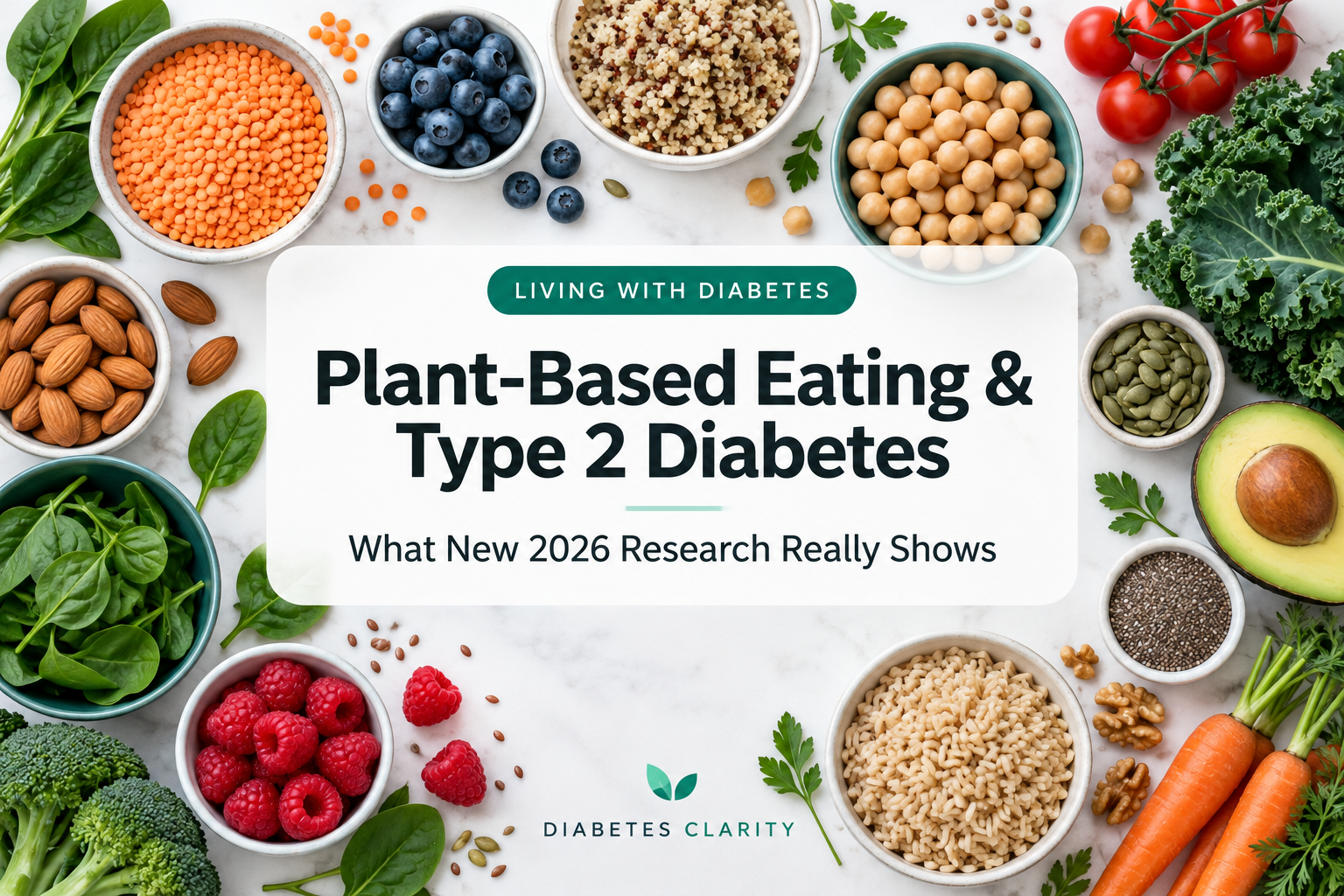
A small but striking new study released in October 2026 has reignited interest in plant-based eating for type 2 diabetes, showing meaningful drops in liver fat, body weight and HbA1c (a blood test showing average blood glucose over about three months) in people who switched to a low-fat vegan diet for just 16 weeks. It’s exciting news — but there are important details about what the study can and can’t tell us.
The short version
- A 2026 trial of 25 adults with type 2 diabetes found a low-fat, whole-food vegan diet led to significant improvements in liver fat, weight, HbA1c and insulin sensitivity.
- The study was small, short-term and had no comparison group, so the results are promising but not yet proof that this approach beats other effective diets.
- Diabetes Australia does not recommend strict veganism as essential — a plant-forward, minimally processed eating pattern rich in legumes, vegetables and wholegrains offers similar benefits for most people.
- Any major diet change should be done with your GP, endocrinologist or accredited practising dietitian, especially if you take insulin or other glucose-lowering medicines.
What’s new
According to research highlighted by plant-based nutrition researchers and reported in medical news outlets this month, a clinical trial tracked 25 adults with type 2 diabetes who followed a diet built around vegetables, legumes, wholegrains and fruit, with animal products and added fats excluded. People ate until comfortably full, without counting calories.
Over 16 weeks, the average changes were notable:
- Weight: down about 6 kilograms (roughly 6.6% of starting body weight)
- Liver fat: reduced by about a third
- HbA1c: dropped by around 1 percentage point, from roughly 7.6% to 6.6%
- Insulin sensitivity and pancreatic beta-cell function: both improved
- LDL (“bad”) cholesterol: decreased
Some participants were able to reduce or stop their metformin during the study — but this was done under medical supervision, and it’s a decision that should never be made alone. Blood glucose can drop quickly when diet, weight loss and medication all change at once, which can be dangerous if medicines aren’t adjusted in step.
What the evidence actually shows
It’s important to put this study in perspective. With only 25 participants, no control group, and a relatively short 16-week timeframe, researchers can’t yet say the vegan diet itself caused every improvement, or that it works better than other well-designed eating plans. About 40% of the weight lost was lean muscle mass, not just fat — a reminder that adequate protein intake and resistance exercise matter when losing weight quickly.
A broader review of plant-based diets and gut health, also published this year, found that increasing fibre and plant foods does affect the gut microbiome (the community of bacteria living in your digestive system), but that metabolic benefits are generally modest and vary a lot between individuals, depending on medications, starting gut bacteria, and exactly which foods are chosen.
Who this affects
This research is most directly relevant to people with type 2 diabetes, particularly those also managing overweight, high cholesterol or fatty liver disease. For people with prediabetes, plant-forward eating patterns are already well supported by evidence as a way to reduce the risk of progressing to type 2 diabetes.
For people with type 1 diabetes, the picture is different — insulin dosing and carbohydrate counting remain central, and a shift toward more plant foods can still support heart health and fibre intake, but it won’t replace insulin therapy.
For people with gestational diabetes, any significant diet change during pregnancy should only happen with guidance from your obstetric team and a dietitian, given the specific nutritional needs of pregnancy.
What this means for Australians
Diabetes Australia’s existing advice doesn’t require going fully vegan. It already highlights legumes — lentils, chickpeas, kidney beans — as excellent low-GI (glycaemic index, a measure of how quickly a food raises blood glucose), high-fibre protein sources, and encourages more vegetables, wholegrains, nuts and seeds generally. The 2026 study adds weight to this existing message rather than overturning it.
A few practical things to keep in mind if you’re considering eating more plant-based:
- Portion size still matters. Legumes and wholegrains contain carbohydrate, so they still affect blood glucose — just more gently than refined carbs.
- Minimally processed is key. A diet of vegan burgers, plant-based bacon and refined vegan snacks won’t deliver the same benefits as whole beans, vegetables and grains.
- Watch key nutrients. A vegan or largely plant-based diet needs attention to vitamin B12, iron, calcium, iodine and omega-3 fats, which are naturally more abundant in animal foods.
What this means for you
- Talk to your healthcare team before making big changes — especially if you take insulin, sulfonylureas, or other glucose-lowering medicines, as doses may need adjusting.
- Consider asking your GP for a referral to an accredited practising dietitian, who can help you build a plant-forward eating plan that fits your preferences, budget and medical history.
- If you try eating more plant-based, monitor your blood glucose more closely for the first few weeks to understand how your body responds.
- Focus on adding legumes, vegetables and wholegrains gradually, rather than aiming for a complete and sudden dietary overhaul.
- Ask about bloods for vitamin B12, iron and vitamin D if you increase plant foods significantly, particularly if animal products drop substantially.
The bottom line
This new research is a hopeful sign that plant-rich eating can meaningfully support blood glucose, liver health and weight for people with type 2 diabetes — but it’s one small study, not a universal prescription. The safest, most sustainable path is a gradual, well-supported shift toward more legumes, vegetables and wholegrains, guided by your healthcare team.
Want some practical ideas to get started? Explore our low-GI recipes, daily meal plans and plant-based swaps over on Diabetes Clarity.
📖 Sources:
• Physicians Committee for Responsible Medicine / Medical Xpress – low-fat vegan diet trial on liver fat and insulin function in type 2 diabetes – October 2026
• Plant Based Health Professionals – review of plant-based nutrition and lifestyle medicine news – October 2026
• Diabetes Australia – plant-powered protein and legumes guidance – 2026
• Springer/Diabetologia – gut microbiome and plant-based diet review – 2026